Author: ojharupesh.25

  • Relationship Mastery: The Heart’s Journey

    Relationship Mastery: The Heart’s Journey

    Navigate the complexities of modern dating, breakups, and self-worth in this 10-chapter immersive series.

    10 lessons · Read one a day


    Day 1: The Narcissism of Loneliness

    Stop looking for someone to ‘complete’ you. A relationship of two incomplete people is a disaster. You must be whole first.

    Practice: Spend tonight alone, without your phone. Listen to your own internal monologue. That is your primary relationship.


    Day 2: Career vs. Relationship

    In your 20s, a toxic relationship doesn’t just hurt your heart; it kills your career. Ambition needs peace to grow.

    Practice: If your partner makes you feel guilty for working hard, that is a red flag. Choose growth over comfort.


    Day 3: The Hook-up Illusion

    Casual culture often masks a deep fear of vulnerability. You aren’t ‘free’; you’re just avoiding the mirror a real partner holds up.

    Practice: Ask yourself: Is my desire for ‘casual’ a choice of freedom, or a shield against potential rejection?


    Day 4: Communication is a Skill, Not a Feeling

    We don’t talk to understand; we talk to win. In a relationship, if one person wins the argument, the relationship loses.

    Practice: Next time you disagree, start with: ‘I see where you’re coming from.’ De-escalate before you debate.


    Day 5: The Truth About ‘The One’

    Soulmates aren’t found; they are forged. Relationships are 10% chemistry and 90% hard, repetitive work.

    Practice: Stop looking for a ‘perfect’ partner. Start becoming a partner who can build something perfect over time.


    Day 6: Toxic Attachment Patterns

    We are attracted to the familiar, not the healthy. Some people mistake ‘chaos’ for ‘intensity.’

    Practice: Identify one recurring dynamic in your past relationships that felt ‘exciting’ but was actually draining.


    Day 7: Handling the Breakup

    A breakup is a physical addiction withdrawal. Your brain is literally starving for their dopamine. Use the No-Contact Rule for survival.

    Practice: Block, delete, and distance. You cannot heal in the same environment that broke you.


    Day 8: Healing & Self-Worth

    They didn’t just leave; they left you with a question: ‘Was I ever enough?’ The answer must come from you, not them.

    Practice: Write down 5 things you love about yourself that have NOTHING to do with being someone’s partner.


    Day 9: Emotional Debt

    Bringing old trauma into a new relationship is like paying for a new house with someone else’s gambling debt.

    Practice: Tell your partner (or future partner) one thing from your past that ‘triggers’ you, so they don’t step on it blindly.


    Day 10: The Partnership Blueprint

    A great relationship is not a lack of problems. It is a shared willingness to solve them. You are a team against the problem.

    Practice: Discuss your goals for the next 5 years with your partner. Are you building the same house?

  • The Prompt Architect: Mastering AI Engineering

    The Prompt Architect: Mastering AI Engineering

    Master the art and science of AI prompting. A 10-part deep dive into engineering intent into machine intelligence.

    10 lessons · Read one a day


    Day 1: The Architect Mindset

    Stop treating AI like a search engine. Treat it like a highly skilled, literal-minded intern who needs exact blueprints.

    Take action: Rewrite your last prompt as a set of ‘Technical Requirements’ rather than a question.


    Day 2: The Structure Of Thought

    Garbage In, Garbage Out. A great prompt has four pillars: Context, Task, Constraints, and Output Format.

    Take action: Analyze a failed prompt and identify which of the four pillars was missing.


    Day 3: Context Is King

    AI doesn’t know what you know. You must provide the background, the audience, and the tone before asking for the work.

    Take action: Write a 3-sentence ‘Context Block’ for a task you perform daily.


    Day 4: The Persona Of Ai

    Assigning a role (e.g., ‘Act as a Senior Copywriter’) activates specific neural pathways in the model’s training data.

    Take action: Compare the results of the same prompt with two different personas assigned.


    Day 5: Negative Constraints

    Telling AI what NOT to do is as important as telling it what to do. Clear boundaries prevent hallucination.

    Take action: Create a list of 5 ‘Forbidden Keywords’ for your next business email prompt.


    Day 6: Iterative Feedback Loops

    The first prompt is rarely the last. Treat the AI response as a draft and use ‘Prompt Refining’ to polish it.

    Take action: Instead of starting over, ask the AI to ‘Critique its own response’ and then fix it.


    Day 7: Structured Outputs

    Ask for data in specific formats—JSON, Markdown tables, or CSV—to make the AI’s output immediately usable.

    Take action: Ask AI to summarize a topic into a 3-column Markdown table.


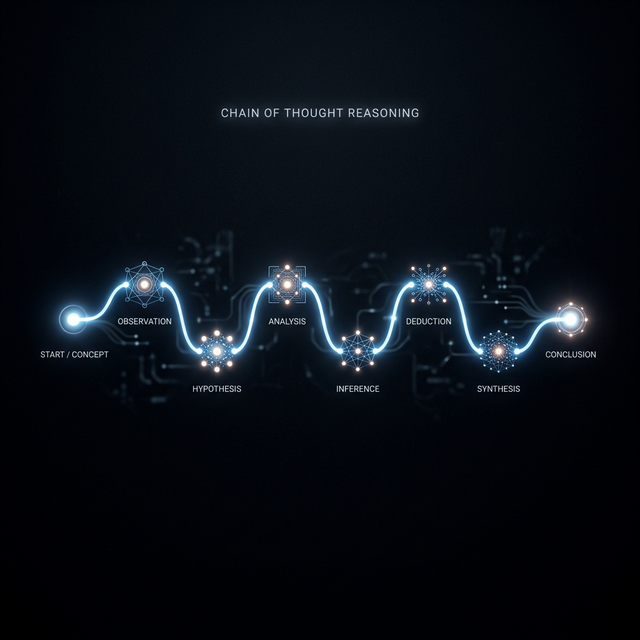
    Day 8: Chain Of Thought Reasoning

    Force the AI to ‘Think Step-by-Step’. This reduces errors in logic and complex problem solving.

    Take action: Add the phrase ‘Think step-by-step before answering’ to a math or logic problem.


    Day 9: Temperature & Randomness

    Understand ‘Temperature’. Low temperature for facts and code; high temperature for creative writing and brainstorming.

    Take action: Research how to adjust the ‘Temperature’ setting in your favorite AI tool.


    Day 10: The Future Of Ai Collaboration

    Prompting is the new coding. It is the bridge between human intent and machine execution. Master it, or be left behind.

    Take action: Commit to learning one new advanced prompting technique every week.

  • Never Finished: Mental Toughness Bootcamp

    Never Finished: Mental Toughness Bootcamp

    A 30-part psychological bootcamp inspired by David Goggins. Master your mind, build resilience, and become uncommon amongst the uncommon.

    30 lessons · Read one a day


    Day 1: The World Creates Your Limits

    The world is designed to keep you small. If you listen to society, you’ll never see your true potential.

    Take action: List 3 things you believe are impossible for you, then question why.


    Day 2: The Solo Mission Of Self Mastery

    Nobody is coming to save you. Mastery is a private, lonely war against your own laziness.

    Take action: Spend 30 minutes in total silence today, no phone.


    Day 3: Hope Vs Real Belief

    Hope is a gamble for the weak. Real belief only comes from doing the work when you don’t want to.

    Take action: Do one task you’ve been dreading for at least 15 minutes.


    Day 4: Pain Creates Real Confidence

    You cannot buy confidence. You build it by enduring suffering and realizing you didn’t die.

    Take action: Take a 2-minute cold shower. Observe the panic, then the control.


    Day 5: Stop Blaming Your Past

    Your trauma can be a crutch or a rocket. You decide if your story justifies your failure or fuels your success.

    Take action: Write down a past failure and one strength it gave you.


    Day 6: Responsibility Creates Freedom

    Blame is a cage. When you take 100% responsibility for everything, you gain 100% control.

    Take action: Apologize for something you’ve been blaming someone else for.


    Day 7: The Golden Hour Of Life

    The first hour of your day is the most important. Win the morning, win the war.

    Take action: Wake up 30 minutes earlier tomorrow. No phone for the first hour.


    Day 8: Stop Living Inside Your Story

    You are not the victim of your life unless you choose to be. Rewrite your narrative today.

    Take action: Write a ‘Savage’ version of your bio where you overcome every obstacle.


    Day 9: Process Your Pain Or It Owns You

    Unprocessed pain turns into toxic habits. Face it, feel it, and move through it.

    Take action: Journal about a recurring negative emotion you have.


    Day 10: Control Your Mind’s Narrative

    The voice in your head is a liar. It wants you safe. Learn to ignore the weak version of yourself.

    Take action: When your mind says ‘stop’, do 5 more minutes or 5 more reps.


    Day 11: The One Second Decision

    The decision to quit happens in one second. If you can survive that second, you can survive the mission.

    Take action: When you feel like giving up on a task, wait 60 seconds before deciding.


    Day 12: Don’t Quit In Panic

    Never make a life decision when you are in a state of suffering. Wait until you’re calm.

    Take action: Commit to not making a major decision until you are in a neutral state.


    Day 13: Train Your Mind Like A Soldier

    Discipline isn’t about motivation. It’s about following orders from the person you want to become.

    Take action: Set a non-negotiable task for tomorrow and do it regardless of how you feel.


    Day 14: The Mental Laboratory

    Treat every day as an experiment. Test your limits, find your breaking points, and push past them.

    Take action: Try a challenge that you are likely to fail. Learn from the friction.


    Day 15: Create Your Savage Alter Ego

    When things get dark, you need a different version of yourself to take the wheel. Someone who loves the rain.

    Take action: Give a name to your most disciplined self. Call on them when it’s hard.


    Day 16: Comfort Is The Enemy

    Comfort is the ultimate drug. It kills your ambition and rots your potential.

    Take action: Do something today that makes you feel awkward or uncomfortable.


    Day 17: Discipline Changes Your Dna

    Consistency rewires your subconscious. After enough reps, the ‘hard’ thing becomes your new normal.

    Take action: Pick one small habit and commit to it for 7 days without fail.


    Day 18: Stop Seeking Sympathy

    Sympathy validates your weakness. Stop looking for people to feel sorry for you.

    Take action: For the next 24 hours, do not complain about anything to anyone.


    Day 19: Humility Builds Real Strength

    The second you think you’re ‘elite’, you stop growing. Stay at the bottom of the mountain mentally.

    Take action: Learn something new from someone you previously didn’t respect.


    Day 20: Use Hate As Fuel

    Don’t ignore the doubters. Use their negativity as the high-octane fuel for your engine.

    Take action: Use a memory of being underestimated to power through today’s deep work.


    Day 21: Record Your Truth

    Don’t lie to the person in the mirror. Account for your actions with brutal transparency.

    Take action: Track every single hour of your day today. Identify the time waste.


    Day 22: Build Your Inner Circle Carefully

    Your environment is stronger than your will. Surround yourself with people who make you feel lazy.

    Take action: Reach out to one person who is further ahead in life than you.


    Day 23: Separate From People Who Limit You

    You cannot heal in the same environment that made you sick. Cut the dead weight.

    Take action: Mute or unfollow 5 accounts that feed your distractions or insecurities.


    Day 24: Become Your Own Leader

    Stop searching for a master. The master is within you, waiting for you to take charge.

    Take action: Plan your own 30-day ‘Life Audit’ starting today.


    Day 25: Create Your Personal Code

    A person without a code is a leaf in the wind. What are your non-negotiables?

    Take action: Write down 5 rules you will never break, no matter what.


    Day 26: Break Your Identity Limits

    You are not your bank account, your past, or your mistakes. You are the effort you put in now.

    Take action: Do something today that ‘the old you’ would never have done.


    Day 27: Use Pain As Energy

    Instead of running from pain, run into it. It is the most powerful source of energy on earth.

    Take action: When you feel mental friction today, treat it as a signal to lean in harder.


    Day 28: Redefine What Greatness Means

    Greatness isn’t winning. It’s being the person who refused to stop when everyone else did.

    Take action: Focus on the quality of your struggle today, not the reward.


    Day 29: Effort Is The Real Greatness

    The trophy is a lie. The real prize is the person you became while earning it.

    Take action: Reflect on your hardest victory. What did it teach you about your soul?


    Day 30: The Mission Never Ends

    There is no finish line. The reward for a job well done is more work. Stay hard.

    Take action: Pick your next goal immediately. The journey continues.

  • Memory Architect | Science-Based Memory Optimization

    Memory Architect | Science-Based Memory Optimization

    A 30-day curriculum inspired by neurobiology to upgrade your learning, retention, and cognitive longevity.

    30 lessons · Read one a day


    Day 1: The Adrenaline Stamp

    Adrenaline (epinephrine) doesn’t just prepare you for flight. It stamps down memories in the brain during high emotional saliency.

    Take action: Take a 30-second cold shower immediately after your next learning session.


    Day 2: The Ebbinghaus Truth

    Repetition is the base layer. The more often you co-activate a neural circuit, the stronger the connection becomes.

    Take action: Review new information at the 1-hour, 4-hour, and 24-hour mark.


    Day 3: The 13-Minute Anchor

    Daily meditation for 13 minutes significantly improves attention, mood, and memory by strengthening prefrontal activity.

    Take action: Set a timer for 13 minutes. Focus solely on your breath before 5 PM today.


    Day 4: Mental Snapshots

    Taking a ‘mental picture’ by blinking and visualizing the scene stamps a robust visual memory into your hippocampus.

    Take action: Today, pick 3 moments to ‘blink and visualize’ for 5 seconds each.


    Day 5: Osteocalcin & Movement

    Load-bearing exercise releases osteocalcin from bones, which travels to the brain to support neural growth and maintenance.

    Take action: Complete 30 minutes of Zone 2 cardio (brisk walk/jog) today.


    Day 6: Post-Study Caffeine

    Stimulants like caffeine increase epinephrine. For memory enhancement, ingest them after learning, not before.

    Take action: If you drink coffee, have your next cup immediately after finishing a project.


    Day 7: The Amygdala Gate

    The amygdala acts as a correlation detector. It links emotional high points to information deemed ‘critical’ to keep.

    Take action: Briefly relate what you are learning to a powerful personal memory or goal.


    Day 8: One Trial Learning

    Intense emotional states can create permanent neural traces in a single instance through massive epinephrine release.

    Take action: Acknowledge that intense focus mimics this ‘high stakes’ state. Treat learning as vital.


    Day 9: The Sleep Lag

    Neural reconfiguration happens hours after learning, specifically during deep sleep and NSDR (Non-Sleep Deep Rest).

    Take action: Avoid learning intensely right before bed; give your brain a buffer for NSDR.


    Day 10: Deja Vu Mechanics

    Deja vu is a normal pattern of encoding where the brain detects a resemblance in neural firing sequences.

    Take action: When you feel deja vu, notice the sensory trigger—it’s your hippocampus working.


    Day 11: Pharmaceutical Safety

    Prescription stimulants should only be used by those prescribed. They shift the dopaminergic baseline permanently.

    Take action: Optimize behavioral tools (cold, exercise) before reaching for external aids.


    Day 12: Bone-Brain Axis

    Your skeleton is an endocrine organ. Moving your large bones signaling the brain that the body is ‘active’ and needs memory.

    Take action: Add 10 air squats to your learning breaks to trigger osteocalcin.


    Day 13: Visual Competition

    Focusing on visual snapshots improves visual memory but can degrade auditory retention of the same event.

    Take action: Choose one: Do you need to remember the conversation or the setting?


    Day 14: Yoga Nidra Recovery

    20 minutes of Yoga Nidra (NSDR) can reset your attention spans as effectively as a long nap.

    Take action: Try a guided 10-minute NSDR session during your afternoon slump.


    Day 15: Precision Perception

    The hippocampus stores ‘contexts’. The more detailed your initial perception, the more anchors for memory.

    Take action: Spend 1 minute describing every detail of an object you use daily.


    Day 16: Chronic Stress Decay

    While acute stress stamps down memory, chronic cortisol elevation actually inhibits neurogenesis.

    Take action: Identify one recurring source of chronic stress and plan to automate it.


    Day 17: The Glymphatic Flush

    Exercise improves lymphatic and blood flow in the brain, sweeping away metabolic waste for clearer memory.

    Take action: HYDRATE. Your vascular system needs water to flush the brain’s waste.


    Day 18: Procedural Fluidity

    Walking and motor skills move from explicit to implicit memory, freeing up cognitive resources.

    Take action: Learn a simple physical ‘sequence’ (e.g., pen spinning) to practice motor consolidation.


    Day 19: Auditory Focus

    Auditory memory is distinct and often ‘outcompeted’ by visual input in modern high-stim environments.

    Take action: Close your eyes and listen to a 5-minute podcast clip. Try to recall it verbatim.


    Day 20: The Dopamine Delta

    Memory is enhanced when your internal state changes relative to where it was just prior.

    Take action: Change your environment (room/desk) immediately after a key learning session.


    Day 21: 8-Week Commitment

    Neurological changes from meditation typically peak after 8 continuous weeks of 13-minute sessions.

    Take action: Commit today to finish the next 3 weeks without missing a meditation day.


    Day 22: Hippocampal Volume

    Exercise combined with cognitive effort increases the volume and connectivity of the hippocampus.

    Take action: Read or study while using a standing desk or walking slowly.


    Day 23: Locus Coeruleus Wake

    The ‘sprinkler’ system of the brain. When it fires, the entire brain enters a state of ‘write-enable’ mode.

    Take action: Use a loud, sharp sound or splash of cold water to ‘wake up’ your focus if lagging.


    Day 24: Mind’s Eye Resolution

    The clarity of your visualization dictates the strength of the neural trace re-activation.

    Take action: Spend 2 minutes visualizing a memory in ‘4K details’—colors, smells, sounds.


    Day 25: Forgetting Is Active

    The brain spend energy prune connections. High stress at the wrong time can cause unlearning.

    Take action: If you had a traumatic event, use NSDR to lower adrenaline and prevent ‘stamping’.


    Day 26: The Prefrontal Brake

    Focus is the ability to exclude. Your memory depends on how much you don’t encode.

    Take action: Purposefully ignore all background noise for the next 10 minutes of work.


    Day 27: Neural Plasticity Peak

    Youthful levels of plasticity can be maintained by keeping autonomic arousal low during learning, and high after.

    Take action: Stay calm while studying. Spike your heart rate AFTER you finish.


    Day 28: The Savings Effect

    Ebbinghaus noted that even if you ‘forget’, the second time you learn is 50-70% faster. Nothing is lost.

    Take action: Re-read a book you read a year ago. Notice how much faster you absorb it.


    Day 29: Bio-Rhythm Sync

    Adrenaline peaks naturally in the morning. Leverage this for your hardest ‘unassisted’ learning tasks.

    Take action: Front-load your most difficult learning to the first 3 hours of your day.


    Day 30: The Memory Architect

    You now have the blueprints to design your own cognitive operating system. Memory is a choice.

    Take action: Design a weekly routine that incorporates: 13m meditation + Zone 2 cardio + Cold after study.

  • Inner Bloom: Meditation Series

    Inner Bloom: Meditation Series

    Experience a sensory journey from the neon of Seoul to the serenity of the countryside. 3 levels of professional meditation for the modern seeker.

    3 levels · Read one a day


    Level 1: The Still Seed

    For the absolute beginner.

    A 5-minute introduction to the art of noticing. No pressure, no judgment—just presence.

    Duration: 5:00 · Low impact, high awareness.


    Level 2: The Growing Vine

    For the occasional practitioner.

    A 10-minute deep dive into breathwork and body scans. Learn to anchor yourself in the now.

    Duration: 10:00 · Building emotional resilience.


    Level 3: The Radiant Forest

    For the practiced mind.

    A 15-minute visualization journey. Expanding your compassion and inner light.
    Duration: 15:00 · Spiritual cultivation & metta.

  • Lust Decoded: Intimacy & Attraction

    Lust Decoded: Intimacy & Attraction

    Master the unseen patterns of attraction and relationship dynamics. Understand the quiet shifts in intimacy.

    17 lessons · Read one a day


    Day 1: The Core Illusion

    People don’t have intimacy problems. They have understanding problems.

    Take action: Acknowledge that you might not be seeing the deeper pattern.


    Day 2: The Quiet Shift

    Nothing breaks suddenly. It changes quietly. Attraction follows patterns most people don’t see.

    Take action: Look for the subtle shifts, not the explosive arguments.


    Day 3: Attraction & Desire Shift

    Familiarity replaces curiosity. Predictability removes tension, leading to an attraction shift.

    Take action: Ask yourself where routine has destroyed the unknown.


    Day 4: Relationship Dynamics

    Things feel off without clear reason. Communication alone does not fix intimacy.

    Take action: Stop trying to ‘talk’ your way into desire.


    Day 5: Frequency Drop

    Intimacy reduces gradually. Avoidance replaces communication.

    Take action: Notice when avoidance became the default response.


    Day 6: Pressure & Avoidance

    Pressure creates resistance. The push vs pull cycle widens the gap.

    Take action: Identify if you are pushing or pulling right now.


    Day 7: Emotional Vs Physical Disconnect

    Emotional closeness does not equal physical attraction.

    Take action: Differentiate between feeling safe and feeling desired.


    Day 8: The Communication Gap

    People discuss symptoms, not patterns.

    Take action: Stop arguing over the symptom; find the overarching pattern.


    Day 9: Something Is Missing

    No clear issue, but loss of energy and tension.

    Take action: Accept the ambiguity of the drift without forcing an immediate answer.


    Day 10: Case 1: Attraction Dropped

    Predictability removed tension.

    Take action: Reflection: Predictability creates safety, but safety often kills eroticism.


    Day 11: Case 2: Good Relationship, Low Intimacy

    Comfort replaced excitement.

    Take action: Reflection: Comfort is necessary for survival, but lethal to mystery.


    Day 12: Case 3: Partner Avoiding Intimacy

    Hidden disconnect.

    Take action: Reflection: Avoidance is a protective mechanism.


    Day 13: Case 4: Pressure Creates Distance

    One wants more, one avoids.

    Take action: Reflection: Demand is the fastest way to kill organic desire.


    Day 14: Case 5: Something Feels Off

    Invisible drift.

    Take action: Reflection: You can’t fix drift by paddling harder without direction.


    Day 15: Key Observations

    Problems are gradual. Effort alone does not fix attraction.

    Take action: Stop relying exclusively on ‘working harder’ at the relationship.


    Day 16: Behavioral Patterns

    Masturbation is about conditioning, not right or wrong. Repetition changes expectations.

    Take action: Examine how you have conditioned your own expectations of intimacy.


    Day 17: The Final Step

    Now that you recognize the pattern, you can take control.

    Take action: If you feel understood and see the pattern, contact Rupesh via WhatsApp to decode your specific dynamics.

  • Hyperfocus Architect: Neuroscience-based Attention Training

    Hyperfocus Architect: Neuroscience-based Attention Training

    Master your focus and attention through 30 chapters of neuroscience-backed psychological training. Build a high-performance mental operating system.

    30 lessons · Read one a day


    Day 1: The Attention Filter

    Your brain doesn’t see the world. It filters it. Focus is the art of exclusion.

    Take action: Identify one distraction to cut TODAY.


    Day 2: The Gatekeeper (ras)

    The Reticular Activating System decides what reaches your conscious mind.

    Take action: Write down your #1 goal to ‘tune’ your RAS.


    Day 3: Observation Vs Seeing

    Seeing is passive. Observation is an active interrogation of reality.

    Take action: Describe a common object in 10 unique details.


    Day 4: Evolutionary Focus

    Your brain evolved for survival, not spreadsheets. Understand your biology.

    Take action: Work in 90-minute ‘ultradian’ cycles.


    Day 5: The Distraction Crisis

    Modern tech is designed to bypass your prefrontal cortex. You are the target.

    Take action: Put your phone in another room for 2 hours.


    Day 6: Selective Attention

    The brain can only handle bits of data at once. Choose your bits wisely.

    Take action: Focus only on the sound of your breath for 5 mins.


    Day 7: Neural Maps

    Neurons that fire together, wire together. Focus builds your brain’s hardware.

    Take action: Practice one difficult skill with total intensity.


    Day 8: The Chemistry Of Focus

    Acetylcholine marks neurons for change. Norepinephrine provides the energy.

    Take action: Use cold water exposure to spike focus neurochemicals.


    Day 9: The Dopamine Trap

    Dopamine is for seeking, not satisfaction. Novelty is the enemy of depth.

    Take action: Do one ‘boring’ task without any background noise.


    Day 10: Hyper Awareness

    Elevate your baseline awareness. Notice the ‘invisible’ patterns around you.

    Take action: Try to sense the air temperature on your skin now.


    Day 11: Pattern Recognition

    Masters see patterns where others see chaos. Focus is the lens.

    Take action: Identify a recurring habit in your daily routine.


    Day 12: Sensory Intelligence

    Use your senses to anchor your mind to the present moment.

    Take action: Eat one meal in total silence and focus on taste.


    Day 13: Selective Ignoring

    Elite focus is defined more by what you ignore than by what you do.

    Take action: Say ‘No’ to one low-value request today.


    Day 14: The Mental Laboratory

    Treat every day as an experiment. Test your limits, find your breaking points, and push past them.

    Take action: Try a challenge that you are likely to fail. Learn from the friction.


    Day 15: Create Your Savage Alter Ego

    When things get dark, you need a different version of yourself to take the wheel. Someone who loves the rain.

    Take action: Give a name to your most disciplined self. Call on them when it’s hard.


    Day 16: Comfort Is The Enemy

    Comfort is the ultimate drug. It kills your ambition and rots your potential.

    Take action: Do something today that makes you feel awkward or uncomfortable.


    Day 17: Discipline Changes Your Dna

    Consistency rewires your subconscious. After enough reps, the ‘hard’ thing becomes your new normal.

    Take action: Pick one small habit and commit to it for 7 days without fail.


    Day 18: Stop Seeking Sympathy

    Sympathy validates your weakness. Stop looking for people to feel sorry for you.

    Take action: For the next 24 hours, do not complain about anything to anyone.


    Day 19: Humility Builds Real Strength

    The second you think you’re ‘elite’, you stop growing. Stay at the bottom of the mountain mentally.

    Take action: Ask someone for feedback on one of your weaknesses.


    Day 20: The War Against Noise

    Your environment is either a sanctuary or a battleground. Clear the clutter.

    Take action: Delete one app that drains your time today.


    Day 21: Deep Work Depths

    Deep work is a superpower in a distracted world. Go where others can’t follow.

    Take action: Set a timer for 60 minutes and do only ONE task.


    Day 22: The Power Of Boredom

    Boredom is where creativity lives. Stop filling every gap with your phone.

    Take action: Sit for 10 minutes with zero stimulation. Just sit.


    Day 23: Forge Your Attention Span

    Attention is a muscle. You train it every time you choose to refocus.

    Take action: Read a physical book for 20 minutes without stopping.


    Day 24: The Architect’s Vision

    Don’t just live in the world. Design how you perceive it.

    Take action: Sketch a plan for your perfect deep-focus workspace.


    Day 25: Eliminate The Vibration

    Ghost notifications and phantom vibrations are signs of digital addiction.

    Take action: Turn off ALL non-human notifications on your phone.


    Day 26: Total Ownership Of Time

    Time is the only asset you cannot buy back. Stop spending it on garbage.

    Take action: Track every 30-minute block of your day tomorrow.


    Day 27: The Flow State Trigger

    Flow requires a clear goal and immediate feedback. Set the stage.

    Take action: Define exactly what ‘finished’ looks like for your next task.


    Day 28: Resilient Concentration

    Life will try to break your focus. Be the rock that doesn’t move.

    Take action: Practice focus in a noisy environment (like a cafe).


    Day 29: The Endless Ascent

    Mastery is not a destination. It is a way of walking. Never stop climbing.

    Take action: Share one thing you learned from this series with a friend.


    Day 30: Beyond The Limits

    You are the architect of your own reality. Go build something great.

    Take action: Commit to the 30-day focus challenge starting NOW.

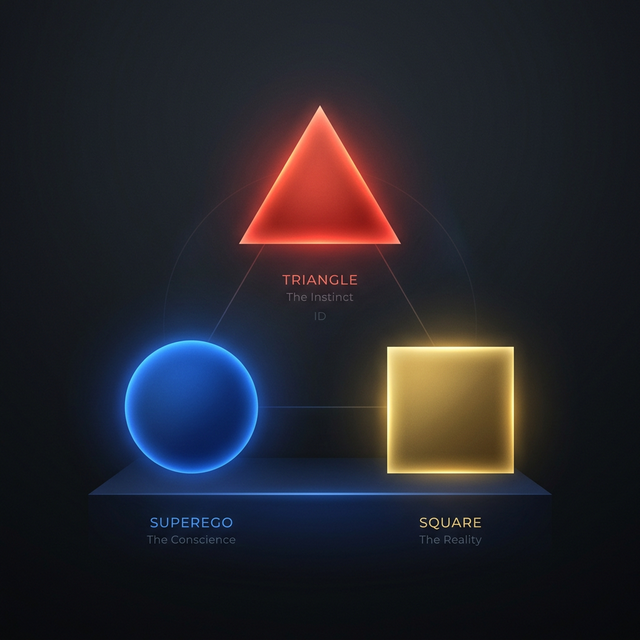
  • The Ego and the Id: मन का विज्ञान (Hindi Psychology Series)

    The Ego and the Id: मन का विज्ञान (Hindi Psychology Series)

    Explore the depths of the human psyche with our 10-part series on Sigmund Freud’s concepts of the Id, Ego, and Superego. Explained in simple Hindi.

    10 lessons · Read one a day


    Day 1: मन की छिपी हुई दुनिया

    Conscious vs Unconscious Mind

    हमारे मन के दो बड़े हिस्से होते हैं: कॉन्शियस (होश वाला मन) जो हमें पता होता है, और अनकॉन्शियस (छिपा हुआ मन) जो अंदर छिपा रहता है।

    • हर विचार हमेशा होश में नहीं रहता।
    • कुछ विचार गायब हो जाते हैं और बाद में वापस आते हैं।
    • मन जानबूझकर कुछ विचारों को दबा देता है (Repression)।

    Practice: आज दिन भर में अपने किसी एक विचार को पकड़ें और सोचें: क्या यह मेरी इच्छा है या किसी और का प्रभाव?


    Day 2: मन के तीन स्तर

    Conscious, Preconscious, Unconscious

    फ्रॉयड ने मन के तीन स्तरों को समझाया है जो हमारी सोच और यादों को नियंत्रित करते हैं।

    • कॉन्शियस: जो अभी हम सोच रहे हैं।
    • प्रीकॉन्शियस: जो थोड़ी कोशिश से याद आ सकता है।
    • अनकॉन्शियस: जो गहराई में दबा हुआ है।
    • हर दबा हुआ विचार अनकॉन्शियस होता है।

    Practice: एक डायरी लें और उन 3 बातों को लिखें जो आपको अभी याद नहीं आ रही थीं, लेकिन थोड़ा सोचने पर याद आ गईं।


    Day 3: ईगो (Ego) क्या है?

    Ego (मैं)

    हर इंसान के अंदर एक हिस्सा होता है जो सब संभालता है और बाहर की दुनिया से तालमेल बिठाता है।

    • ईगो का काम निर्णय लेना और व्यवहार को नियंत्रित करना है।
    • यह वास्तविकता और इच्छाओं के बीच संतुलन बनाता है।
    • चौंकाने वाली बात ये है कि ईगो का भी एक हिस्सा अनकॉन्शियस होता है।

    Practice: आज किसी कठिन निर्णय के समय रुकें और पूछें: क्या मैं अपनी इच्छा से कर रहा हूँ या परिस्थिति के दबाव में?


    Day 4: इड (Id) क्या है?

    Id (इच्छाओं का स्रोत)

    मन का वो हिस्सा जो सिर्फ इच्छाओं और तुरंत सुख (Pleasure) की तलाश में रहता है।

    • इड वास्तविकता की परवाह नहीं करता।
    • यह भावनात्मक और बेकाबू होता है।
    • ईगो और इड का रिश्ता सवार और घोड़े जैसा है (घोड़ा = इड)।

    Practice: जब भी आपको तुरंत कुछ करने की तीव्र इच्छा हो, 10 सेकंड रुकें। यह ‘इड’ को शांत करने का अभ्यास है।


    Day 5: सुपर ईगो क्या है?

    Superego (अंदर का जज)

    हमारे अंदर का नैतिक जज जो हमें सही और गलत की पहचान करवाता है और समाज के नियमों को सिखाता है।

    • यह माता-पिता और समाज के प्रभाव से बनता है।
    • यही हमें गिल्ट (ग्लानि) महसूस करवाता है।
    • यह एक आदर्श व्यक्तित्व की छवि बनाए रखता है।

    Practice: सोचें कि आप जो ‘सही’ काम कर रहे हैं, क्या वो वाकई आपका है या किसी और के डर से कर रहे हैं?


    Day 6: ओडीपस कॉम्प्लेक्स

    Childhood Psychology

    बचपन के वो मनोवैज्ञानिक खिंचाव जो हमारे व्यक्तित्व के विकास में गहरा रोल निभाते हैं।

    • बच्चे का माता-पिता के प्रति आकर्षण और प्रतिस्पर्धा।
    • यह स्थिति व्यक्तित्व की नींव रखती है।
    • इसे समझना हमारे रिश्तों के पैटर्न को समझने जैसा है।

    Practice: अपने बचपन की किसी एक ऐसी आदत को पहचानें जो आपके माता-पिता से मिलती-जुलती है।


    Day 7: सुपर ईगो की ताकत

    Moral Control

    सुपर ईगो इतना शक्तिशाली क्यों है? क्योंकि ये हमारे बचपन के सबसे गहरे अनुभवों से जुड़ा है।

    • सही और गलत का गहरा एहसास।
    • आत्म-आलोचना और गिल्ट की जड़ें यहीं हैं।
    • सामाजिक नैतिकता का आंतरिक रूप।

    Practice: आज खुद को किसी बात के लिए दोष न दें। समझें कि यह आपका सुपर ईगो है जो बहुत सख्त हो रहा है।


    Day 8: जीवन और मृत्यु की ताकतें

    Eros vs Death Instinct

    इंसानी मन के भीतर दो महान प्रवृत्तियां हमेशा आपस में टकराती रहती हैं।

    • Eros: जीवन शक्ति, प्यार और रचनात्मकता।
    • Death Instinct: विनाश और आक्रामकता की प्रवृत्ति।
    • मानव जीवन इन दोनों के बीच एक निरंतर संघर्ष है।

    Practice: आज कोई एक रचनात्मक काम करें (लिखना, पेंटिंग, या कुछ नया सीखना) जो ‘Eros’ को बढ़ावा दे।


    Day 9: ईगो की मुश्किल स्थिति

    Ego under pressure

    ईगो को एक साथ तीन कड़े मालिकों को खुश रखना पड़ता है, जिससे मानसिक तनाव पैदा होता है।

    • बाहरी दुनिया की वास्तविकता।
    • इड की अनियंत्रित इच्छाएं।
    • सुपर ईगो की सख्त नैतिकता।
    • यही रस्साकशी ‘एंग्जायटी’ का कारण बनती है।

    Practice: जब तनाव महसूस हो, तो लिखें कि कौन सा ‘मालिक’ (इड, सुपर ईगो या दुनिया) सबसे ज्यादा दबाव डाल रहा है।


    Day 10: मन की अंतिम समझ

    Final understanding of the psyche

    इड, ईगो और सुपर ईगो के संतुलन से ही एक स्वस्थ मानसिक जीवन संभव है।

    • इड: इच्छाओं की शक्ति।
    • ईगो: वास्तविकता का प्रबंधक।
    • सुपर ईगो: नैतिक जज।
    • असंतुलन ही मानसिक समस्याओं की जड़ है।

    Practice: आज के दिन का अवलोकन करें: क्या आपने तीनों के बीच संतुलन बनाया? एक छोटी सी जीत नोट करें।

  • The Biological Soul: Human Nature Decoded | Robert Sapolsky Series

    The Biological Soul: Human Nature Decoded | Robert Sapolsky Series

    Explore the biology of behavior, genetics, and neuroscience in this 25-chapter series based on Robert Sapolsky’s Stanford lectures.

    25 lessons · Read one a day


    Day 1: The Categorical Mind

    THE EVOLUTIONARY BLUEPRINT

    Your brain loves boxes. But biology doesn’t care about your buckets. Human behavior is a continuum, not a checklist.

    Take action: Notice when you label a behavior as ‘just’ genetic or ‘just’ learned. It is ALWAYS both.


    Day 2: The Game of Survival

    THE EVOLUTIONARY BLUEPRINT

    Evolution is not about individuals; it’s about gene frequencies. Altruism is often just a calculated long-term investment.

    Take action: Think about your ‘selfless’ acts. How many were driven by kin selection or reciprocity?


    Day 3: Cooperation & Tit-for-Tat

    THE EVOLUTIONARY BLUEPRINT

    In a world of strangers, the most successful strategy is ‘Nice, Retaliatory, and Forgiving.’

    Take action: Apply the tit-for-tat strategy to one difficult person in your life this week.


    Day 4: The Molecular Alphabet

    THE GENETIC CODE

    Genes are NOT blueprints. They are ‘To-Do’ lists that can be edited by the environment.

    Take action: Genes only tell you about potential. Your environment determines which genes are expressed.


    Day 5: Epigenetics: The Soul’s Ghost

    THE GENETIC CODE

    Trauma and stress can leave marks on your DNA that last for generations. Your ancestors’ lives are written in your cells.

    Take action: Acknowledge that some of your predispositions might be echoes from your family’s history.


    Day 6: Heritability vs Certainty

    THE GENETIC CODE

    Saying a trait is 50% heritable does NOT mean you’re 50% destined to have it. It’s about population variance.

    Take action: Stop thinking of genetics as destiny. It’s a set of statistical probabilities.


    Day 7: The Interaction Effect

    THE GENETIC CODE

    A gene for depression might only matter if you live through a childhood trauma. The ‘G x E’ interaction is the key.

    Take action: Focus on controlling your ‘E’ (Environment) to manage your ‘G’ (Genetics).


    Day 8: Pattern Recognition

    THE NEURAL ENGINE

    Your brain is a prediction machine. It scans the environment to avoid surprises, often creating stories that aren’t there.

    Take action: Identify one assumption you made today that was based on a pattern from your past.


    Day 9: Neurons: The Messengers

    THE NEURAL ENGINE

    Every thought, every fear, every ‘soulful’ moment is just ions moving across a membrane. Matter becomes consciousness.

    Take action: Visualize your willpower as literal electricity flowing through your neurons.


    Day 10: The Space Between

    THE NEURAL ENGINE

    The synapse is where the magic happens. Neurotransmitters are the ink in which our experience is written.

    Take action: Consider how your diet and sleep affect the chemical ink of your brain today.


    Day 11: Neuroplasticity

    THE NEURAL ENGINE

    The brain is remarkably plastic until the day you die. You can physically prune and grow your own hardware.

    Take action: Engage in one ‘new’ difficult cognitive activity today to trigger plasticity.


    Day 12: The Hormonal Orchestra

    THE NEURAL ENGINE

    Hormones don’t CAUSE behaviors. They change how you perceive the world, making you more or less likely to act.

    Take action: Observe how your stress levels (cortisol) change your interpretation of a simple comment.


    Day 13: Testosterone Myths

    THE NEURAL ENGINE

    Testosterone doesn’t cause aggression; it magnifies whatever behavior is needed to maintain status.

    Take action: In a ‘noble’ culture, testosterone would actually make you act more generously to gain status.


    Day 14: Oxytocin: The Dark Side

    THE NEURAL ENGINE

    The ‘love hormone’ also makes you more xenophobic. It bonds the ‘Us’ and magnifies the hatred of ‘Them’.

    Take action: Be wary of intense group bonding—it often comes at the expense of outsiders.


    Day 15: The Seat of Emotion

    THE LIMBIC MACHINE

    The Limbic System is where we truly live. It’s the ancient brain that doesn’t care about logic or your career.

    Take action: When you feel an ‘irrational’ fear, thank your limbic system for trying to keep you alive.


    Day 16: Amygdala: The Alarm

    THE LIMBIC MACHINE

    The amygdala processes fear before you even know what you’re looking at. It’s faster than your vision.

    Take action: Breathe. When triggered, your amygdala has a 2-second lead on your logic. Wait for the logic to catch up.


    Day 17: Sexual Selection

    THE LIMBIC MACHINE

    Mating strategies across the animal kingdom explain why humans are ‘confused’ biparental species.

    Take action: Realize that human society’s conflict between polygamy and monogamy is baked into our biology.


    Day 18: Mate Choice Biology

    THE LIMBIC MACHINE

    We choose partners based on MHC diversity and facial symmetry—biological hacks for a healthy immune system.

    Take action: Sometimes your ‘gut feeling’ about someone is just your immune system doing math.


    Day 19: The Biology of Aggression

    SOCIETY & SHADOWS

    We don’t hate aggression; we hate the wrong kind of aggression. We celebrate it on the football field or the battlefield.

    Take action: Reflect on which forms of violence you tolerate or even praise.


    Day 20: War & Peace

    SOCIETY & SHADOWS

    Chimpanzees hunt and murder; Bonobos have sex to resolve conflict. Humans are the only ones who can do both in an hour.

    Take action: Recognize that your capacity for both empathy and cruelty is equally ‘natural’.


    Day 21: Chaos & Complexity

    SOCIETY & SHADOWS

    Complex systems are not just small systems with more parts. They have emergent properties that cannot be predicted.

    Take action: Stop looking for single causes (like ‘the gene for X’). The truth is always an emergent network.


    Day 22: Emergence

    SOCIETY & SHADOWS

    A colony of ants is smart; the individual ant is not. You are a colony of 30 trillion cells.

    Take action: Respect the collective intelligence of your own body and your social tribe.


    Day 23: The Language Instinct

    SOCIETY & SHADOWS

    Language is a biological adaptation that allows us to share our internal neural maps with others.

    Take action: Words are literally tools for brain-to-brain synchronization. Use them carefully.


    Day 24: The Schizophrenic Mind

    SOCIETY & SHADOWS

    Schizophrenia is not just ‘broken’ brain; it’s a window into the evolution of human imagination and religiosity.

    Take action: The line between a shaman and a patient is often just a matter of cultural context.


    Day 25: Individual Variation

    SOCIETY & SHADOWS

    The most robust finding in all of biology is variation. There is no ‘normal’. There is only a distribution.

    Take action: Embrace the ‘outliers’ in your community. They are the engine of evolutionary adaptation.